
Designing with Peonies: Tips and Ideas for Beautiful Gardens
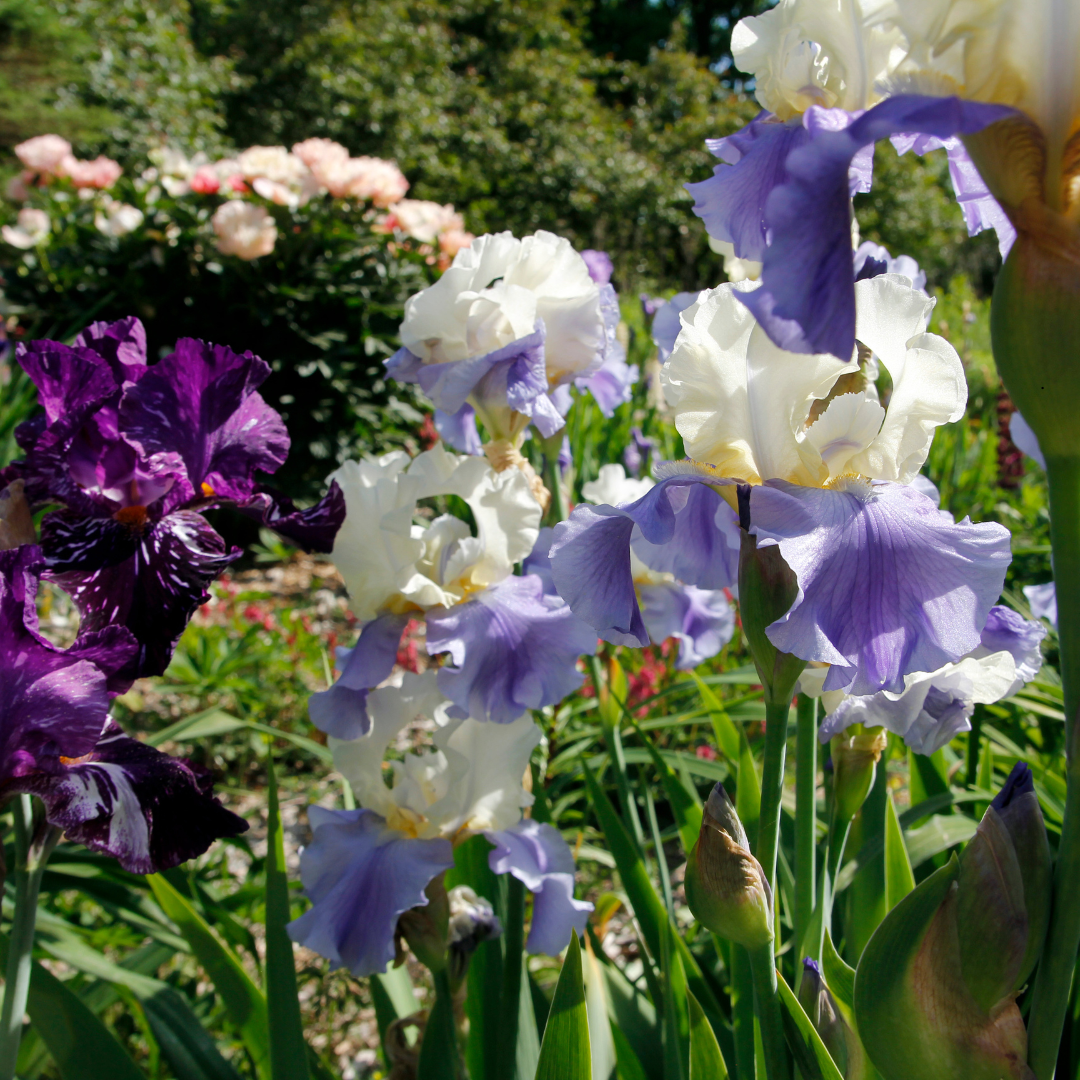
Peonies are often called the "queen of the perennial garden" for good reason. A healthy peony can live for decades, produce hundreds of blooms over its lifetime, and become the centerpiece of a garden. Whether you're adding a few peonies to an existing landscape or designing an entirely new garden bed, a little planning goes a long way.
Here are some of our favorite tips for designing with peonies. Buckle up, there’s a lot of information here! There’s a lot to think about but at the same time don’t get overwhelmed! Gardening is lifelong learning and adapting. Most gardens aren’t created overnight!
Start with the Bloom Season in Mind
One of the biggest mistakes gardeners make is focusing only on the two weeks when peonies are blooming.
Instead, think about how the garden will look for the other 50 weeks of the year.
Peonies provide attractive, deep green foliage from spring until frost. Place them where their foliage can serve as a backdrop for other plants after bloom season.
Plant in Groups
A single peony can be beautiful, but groups of three or five plants create a much bigger visual impact.
For a formal look, plant several of the same variety together. For a cottage garden feel, mix complementary colors and bloom times.
Extend the Bloom Season
Most gardeners don't realize peonies can bloom over a period of six weeks or more.
Plant a combination of:
Early bloomers (Weeks 1–3)
Mid-season bloomers (Weeks 4-5)
Late bloomers (Weeks 6–8)
This approach provides flowers for much longer than planting a single variety.
Use Peonies as Anchor Plants
When designing a perennial bed, think of peonies as permanent anchor plants.
Place them first, then build around them with smaller perennials, annuals, and bulbs.
Since peonies dislike being moved, it helps to decide where they'll live long-term before planting.
Give Them Room to Grow
That small peony root will eventually become a plant 3–4 feet wide.
Avoid planting too close to:
Shrubs
Trees
Walkways
Buildings
Other large perennials
A crowded peony rarely performs as well as one with plenty of air circulation and sunlight.
Pair with Plants That Shine Later
Since peonies bloom in late spring and early summer, combine them with plants that take over afterward.
Great companions include:
Anise Hyssop
Coneflowers
Black-eyed Susans
Russian Sage
Delphinium
Asters
Sedum
These plants keep the garden colorful after the peony flowers fade.
Layer Heights
For attractive garden beds:
Place taller plants toward the back.
Medium-height peonies in the middle.
Lower-growing plants near the front.
This creates depth and allows every plant to be seen.
Think About Color Combinations
Some classic peony color schemes include:
Romantic Cottage Garden
Soft pink peonies
Lavender catmint
Purple salvia
White daisies
Bold and Dramatic
Red peonies
Purple alliums
Dark-leaved perennials
Elegant and Formal
White peonies
Blue salvia
Silver foliage plants
Warm Sunset Colors
Coral peonies
Orange daylilies
Yellow coreopsis
Create a Dedicated Peony Border
If you have the space, consider creating an entire border of peonies.
Arrange varieties by bloom week so flowers move down the row throughout the season. This approach works especially well for collectors who enjoy growing multiple varieties.
Design for Cut Flowers
If you love bringing flowers indoors, reserve a section of the garden specifically for cutting.
Plant extra peonies where you won't feel guilty harvesting blooms. Include varieties with different bloom times to maximize your cutting season.
Add Fragrant Varieties Near Gathering Areas
Plant highly fragrant varieties near:
Patios
Decks
Front entrances
Benches
Walkways
This allows visitors to enjoy the fragrance up close.
Use Repeating Colors Throughout the Garden
Repeating the same peony color in several locations helps tie a landscape together.
For example, a pink peony near the front entrance and another pink variety in a backyard border creates visual continuity.
Don't Forget Spring Bulbs
Early spring bulbs complement peonies beautifully.
Consider:
Daffodils
Tulips
Crocus
Alliums
The bulbs provide color before peonies emerge and help fill the garden throughout spring.
Design for Four Seasons
A great garden doesn't rely on a single plant.
Use peonies as part of a larger design that includes:
Spring bulbs
Summer perennials
Fall color
Winter structure
This ensures your garden remains attractive throughout the year.
Remember: Peonies Are a Long-Term Investment
Unlike annual flowers that need replacing every year, peonies are often planted once and enjoyed for decades. Take the time to choose the right location, pair them with complementary plants, and think about the garden's appearance beyond bloom season.
A well-designed peony garden doesn't just provide a few weeks of flowers—it creates beauty year after year, often for generations.