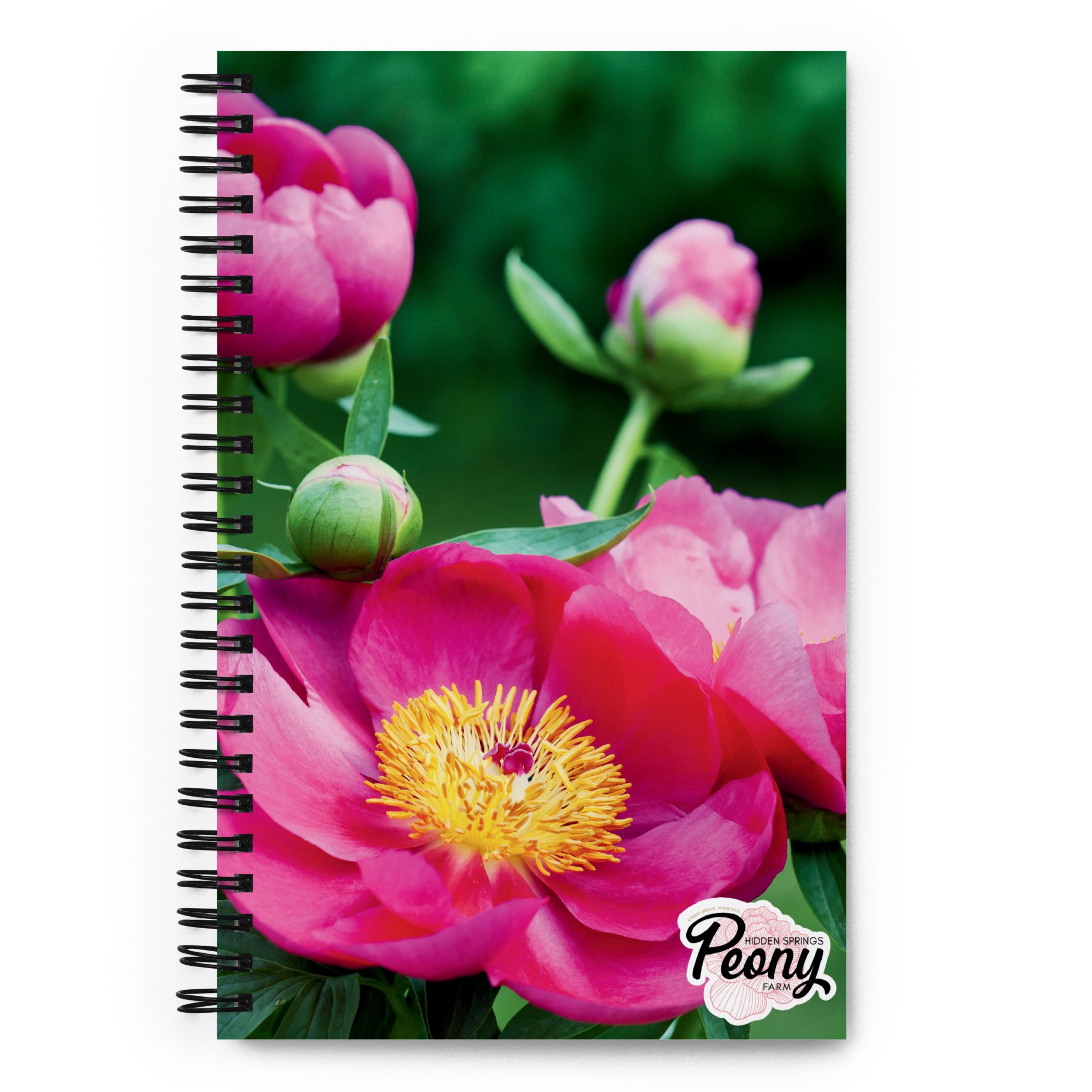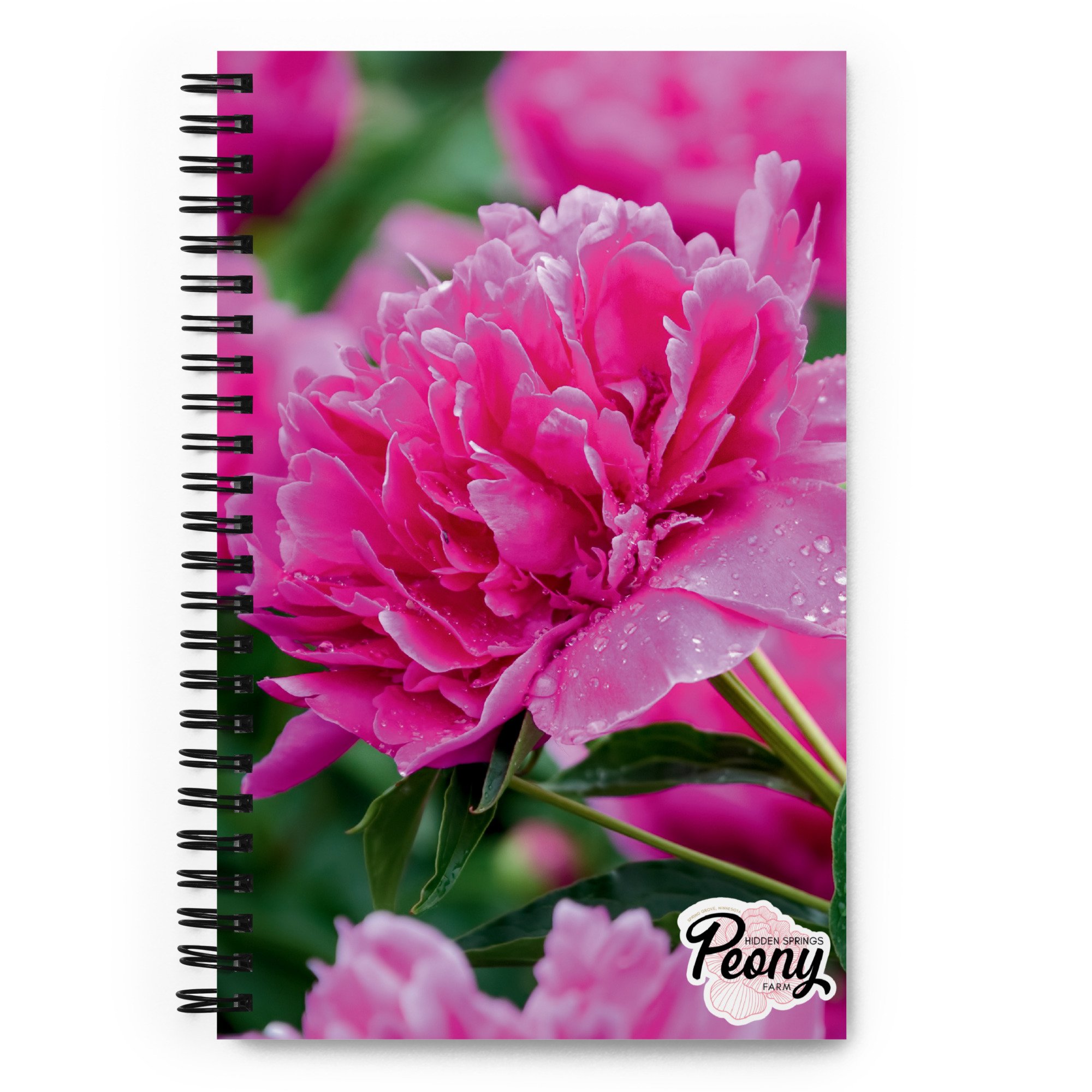
Show the world how much you love peonies with some ultra-cool merch!
Everything in the Merch Shop ships FREE
Hidden Springs Peony Farm Merchandise
Filters
our blog
TIPS & TRICKS for PLANTING, GROWING, and MAINTAINING your PEONIES
What's Happening Underground Right Now with Your Peonies
By late July, your peonies may not look like much. The spectacular blooms are long gone, and the foliage may even be showing signs of summer wear. It can be tempting to think your peony is simply waiting for next spring.
In reality, the exact opposite is happening.
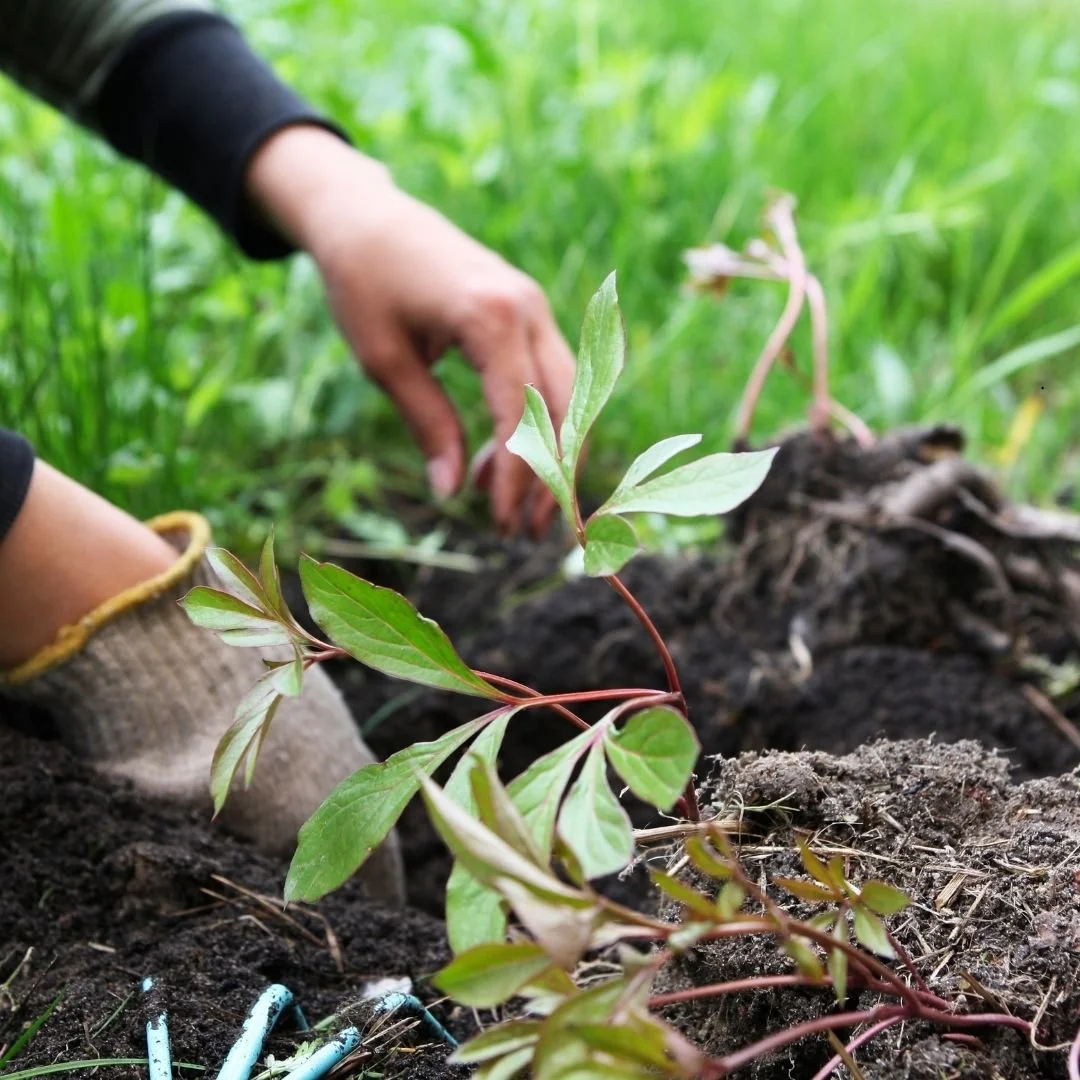
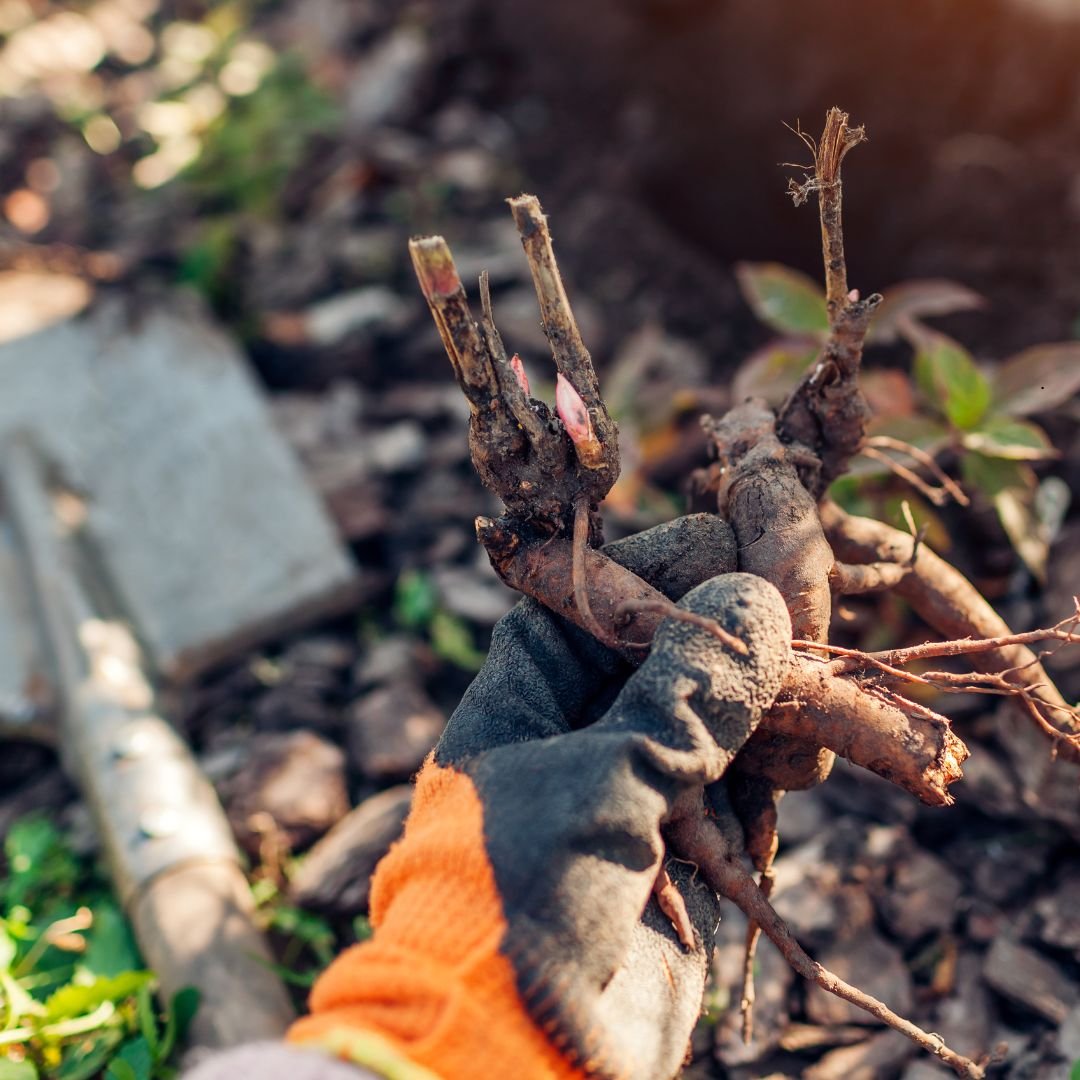
Right now, your peony is hard at work beneath the soil, preparing next year's flowers.
A little attention now can make a big difference next spring. Deep watering during the hottest weeks of summer helps ensure your peonies have the moisture they need to develop strong roots—and the beautiful flower buds that will reward you next year.
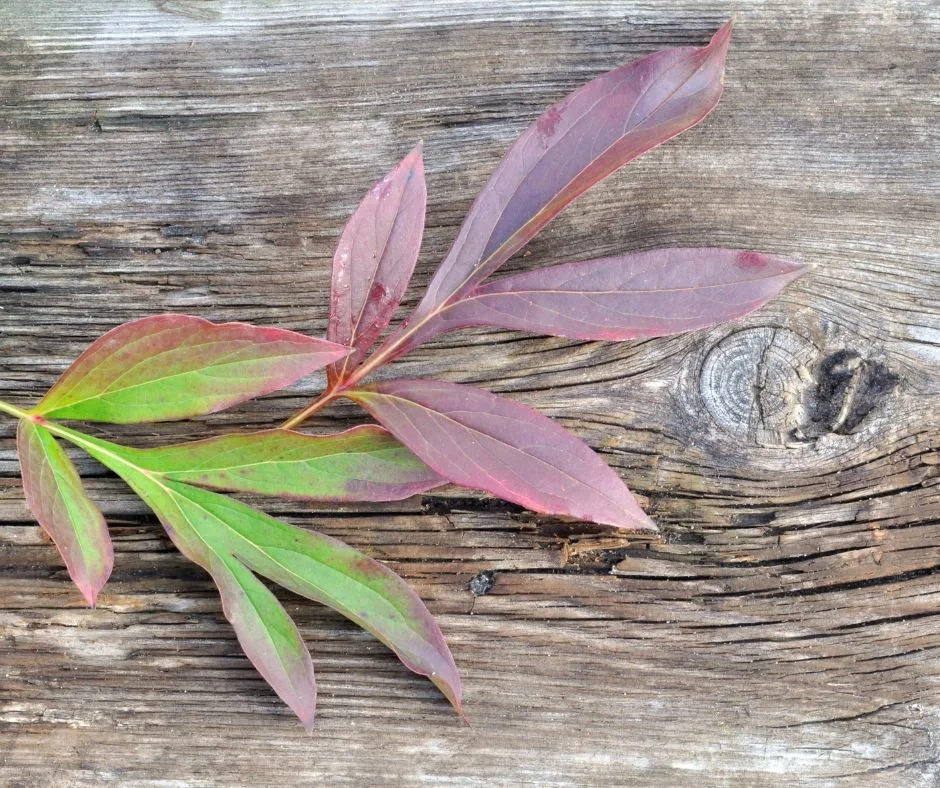
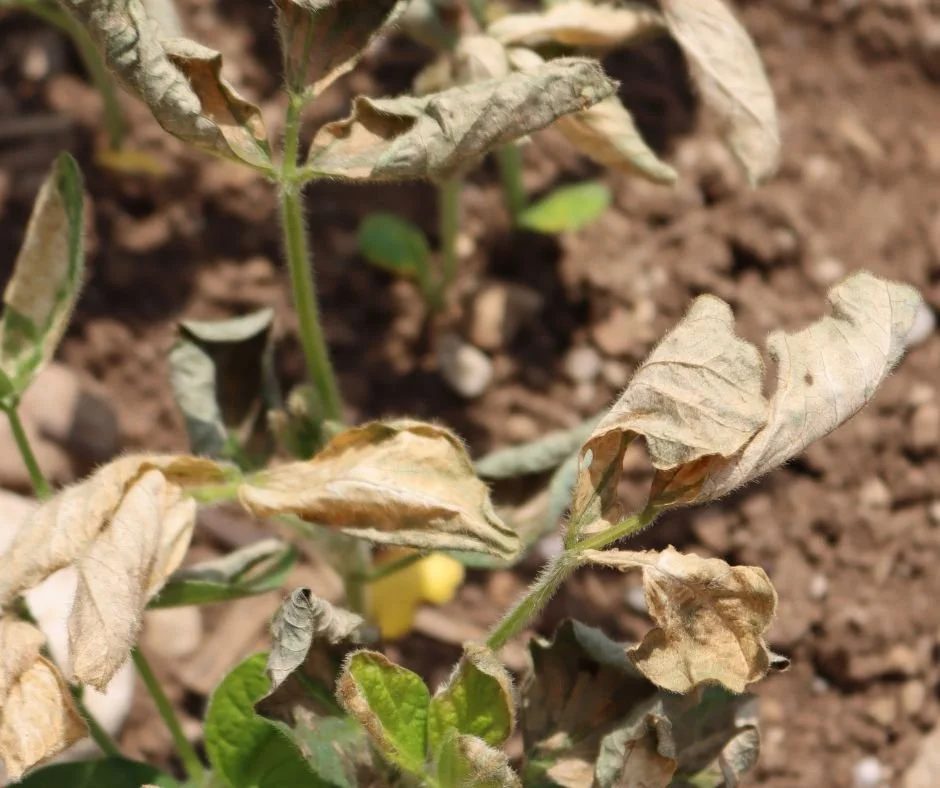
As summer heat, heavy dews, and humid weather settle in, July and August become prime time for fungal diseases on peonies. By now the flowers are gone, but the foliage is still hard at work producing energy that will fuel next year's blooms. Keeping those leaves healthy now means stronger, healthier plants next spring.
The three fungal diseases gardeners are most likely to encounter are powdery mildew, botrytis, and peony measles (also known as peony blotch, leaf blotch, or red spot).
If you're looking to make your garden more welcoming to bees and other beneficial insects, consider planting single and semi-double peonies. While every peony brings beauty to the landscape, these flower forms offer an important advantage—they provide easy access to pollen.
One of the most common questions we hear from gardeners is, “Do my peonies need fertilizer?”
The answer is… technically, no. But the right fertilizer, applied at the right time, can help your peonies become bigger, healthier, and more productive plants.
The ideal spacing for peonies is 36 inches on center from one plant to the next. This means measuring 36 inches from the center of one peony plant to the center of the next. This spacing allows each plant to develop into a mature, full-sized clump without competing with its neighbors.