
How Deep Should You Plant Peonies?
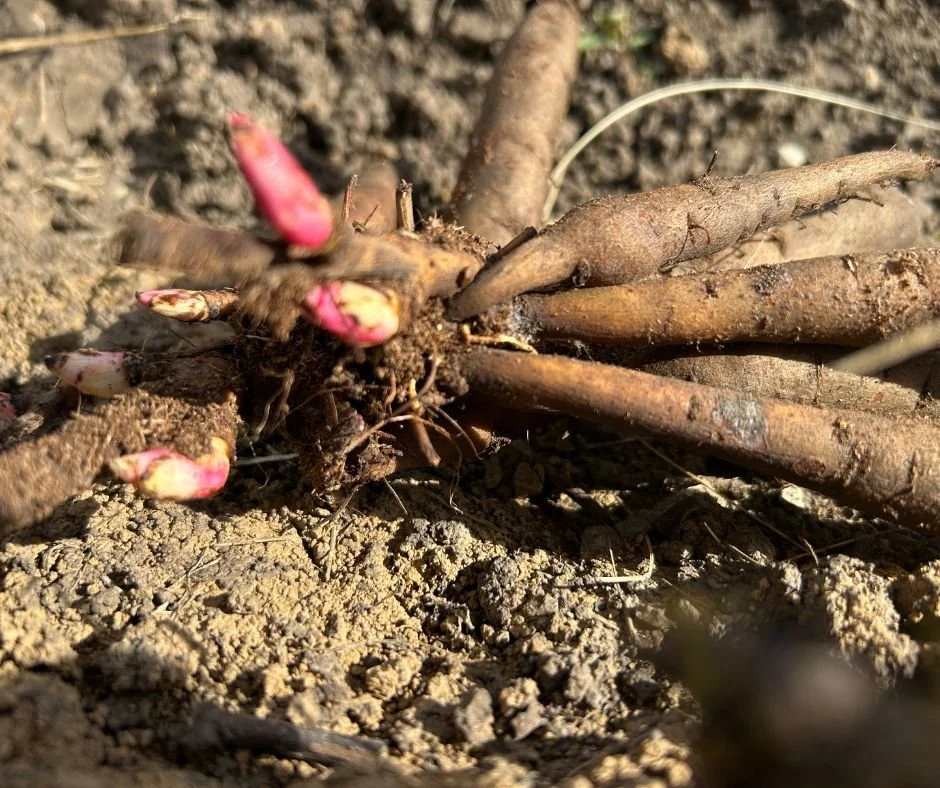
If there’s one thing that can make a big difference in how well your peonies bloom, it’s planting depth! Peonies aren’t particularly fussy plants, but getting this one detail right can save you years of waiting for flowers.
Whether you’re planting new bare roots this fall or checking on peonies that have been growing in your garden for years, let’s talk about how deep those roots should be.
The Right Planting Depth for Your Growing Zone
The ideal planting depth depends on where you garden. Here’s a simple guide to follow:
Zones 2–5: Plant peony roots with the eyes (buds) 2 inches below the soil surface.
Zones 6–7: Plant the eyes 1 inch below the soil surface.
Zones 8 and warmer: Plant the eyes just ½ inch below the soil surface.
Not sure what we mean by eyes? They’re the little pink, or white growing points on the crown of your peony root. These are where next spring’s shoots will emerge!
Not sure what we mean by growing zone? Check this USDA map and search by your zip code!
For herbaceous peonies, no part of the root should be visible above the ground.
Why Does Planting Depth Matter?
Peonies need the right amount of winter cold exposure to develop flower buds and bloom well the following year. Planting at the proper depth helps ensure they receive the seasonal conditions they need.
You’ve probably heard someone say that if you plant a peony too deep, it won’t bloom. There’s some truth to that, but the whole story is a little more interesting!
A peony planted too deeply may still grow plenty of healthy foliage, but it might not produce flowers. Over time, the plant can develop crown tissue closer to the soil surface, where it can eventually produce blooms. However, that adjustment can take several years—or even longer—depending on how deeply the peony was planted.
In other words, planting too deep doesn’t necessarily mean your peony will never bloom. It might just mean a lot of waiting!
Can Peonies Change Depth Over Time?
Absolutely! Freeze-and-thaw cycles can gradually move peony roots up or down in the soil. A root that was planted at the perfect depth might not stay there forever.
That’s why it can be worth checking on established peonies, especially if you have a plant that grows beautifully but rarely flowers.
How to Check Your Peony’s Planting Depth
The good news? You don’t need to dig up your entire plant just to investigate.
Here’s what I recommend:
Gently feel around the crown. Use your fingers to carefully move a little soil aside until you can locate the firm crown and growing eyes. Avoid damaging the buds.
Check the depth. Measure from the soil surface to the eyes and compare it with the recommended depth for your growing zone.
If it’s too shallow, add soil. Simply mound enough soil over the crown to bring it to the appropriate depth.
If it’s too deep, consider raising it. You can dig up the root and replant it at the correct depth. For a more established plant, you may be able to gently lift it from underneath with a garden fork to raise it a little. Work carefully to avoid damaging the roots.
If your peony is growing well but stubbornly refusing to bloom, planting depth is a good place to start investigating. Keep in mind that young plants, insufficient sunlight, and other growing conditions can also affect flowering.
A Little Attention Now Can Mean More Flowers Later
Fall is a great time to plant peonies and check on existing plants. Taking a few minutes to get the depth right can make a real difference in how your peonies perform in the years ahead.
At Hidden Springs Peony Farm, we want you to enjoy those beautiful blooms as much as we do. A little planting know-how now can help set your garden up for a gorgeous show in the future!