
What's Happening Underground Right Now with Your Peonies
By late July, your peonies may not look like much. The spectacular blooms are long gone, and the foliage may even be showing signs of summer wear. It can be tempting to think your peony is simply waiting for next spring.
In reality, the exact opposite is happening.
Right now, your peony is hard at work beneath the soil, preparing next year's flowers.
The Hidden Season of Growth
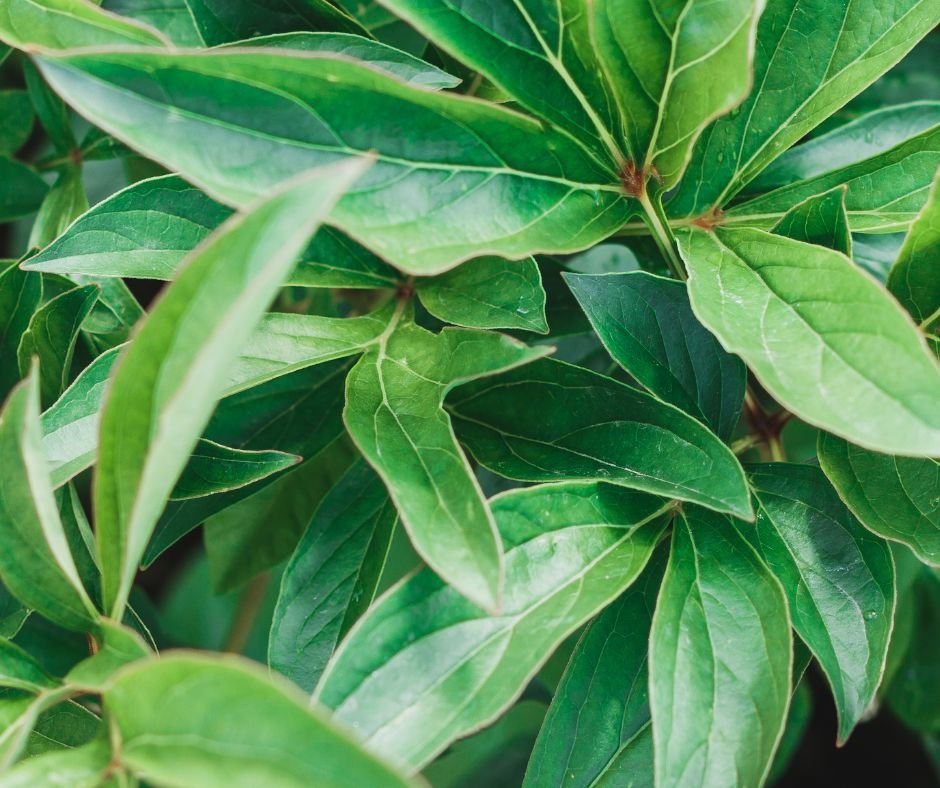
While the leaves above ground are busy collecting sunlight, the roots below are storing energy. Through photosynthesis, the foliage produces carbohydrates that are transported into the roots, where they become the fuel your peony will rely on next spring.
At the same time, the plant is developing the tiny buds—called "eyes"—that will become next year's stems and blooms. Every healthy leaf left on the plant is helping build stronger roots and larger flower buds for the following season.
This is why July, August, and early September are some of the most important months in a peony's annual life cycle, even though there aren't any flowers to enjoy.
Water Matters More Than You Might Think
Because next year's blooms are forming now, consistent soil moisture is one of the best things you can provide during periods of dry weather.
Peonies don't like soggy soil, but they also don't appreciate extended drought. A slow, deep watering every week or so during dry spells is much more beneficial than frequent, shallow watering.
One of our favorite methods is to drill a small hole near the bottom of a 5-gallon bucket, fill it with water, and place it next to your peony. The water slowly seeps into the soil, allowing it to soak deeply into the root zone instead of running off the surface.
Of course, Mother Nature gets a vote too. If you've been lucky, receiving regular rainfall, you may not need to water at all. Pay attention to your local weather and adjust accordingly.
Leave the Foliage Alone
After blooming, many gardeners wonder if they should cut their peonies back.
The answer is no—not yet.
As long as the foliage is mostly green and healthy, it's still producing energy for the roots. Cutting it back too early reduces the amount of food stored underground, which can mean fewer or smaller flowers next spring.
If you notice leaves with fungal diseases or significant damage, it's perfectly fine to remove those individual leaves. Otherwise, allow the plant to keep growing until fall, when the foliage naturally begins to yellow after several hard frosts.
What You Can't See Is What Matters Most
While the garden may appear quiet, your peony certainly isn't.
Underground, the roots are expanding, storing nutrients, and developing next year's growing points. Every sunny day, every healthy leaf, and every deep watering contributes to stronger plants and better blooms next spring.
So if your peonies seem uneventful this time of year, don't be fooled. The most important work of the season is happening where you can't see it.
A little care now will reward you with healthier plants and bigger, more beautiful blooms next spring.