
When and how to fertilize your peonies
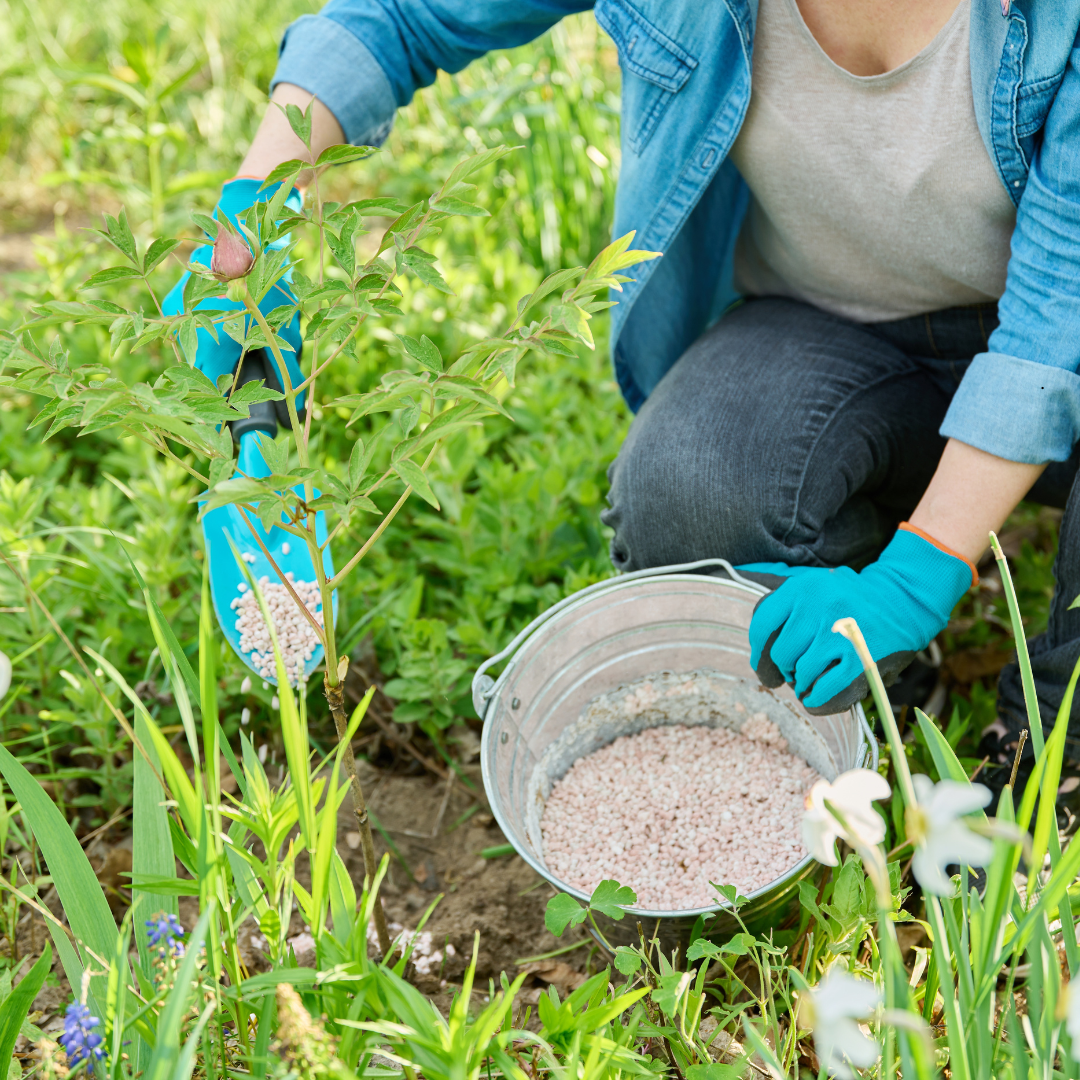
Fertilizing Peonies: Feed the Roots, Not the Plant
One of the most common questions we hear from gardeners is, “Do my peonies need fertilizer?”
The answer is… technically, no. But the right fertilizer, applied at the right time, can help your peonies become bigger, healthier, and more productive plants.
Peonies are incredibly resilient and will often grow and bloom for years without any additional fertilizer. If they are planted in healthy soil with good organic matter, they can thrive on what is naturally available.
However, fertilizer can be a valuable tool — especially if you are gardening in poor soil or want to give your plants the nutrients they need to reach their full potential. Sandy soils, in particular, often benefit from added nutrients because they do not hold fertility as well.
The key is knowing what to apply and when to apply it.
Spring Is Not the Time to Fertilize Peonies, But Right Now Is!
Spring may seem like the obvious time to feed your peonies because that is when you see new growth emerging. But spring fertilizer is not usually the best choice.
At that point, we are not trying to push more leaf and stem growth. Instead, we want to support the long-term health of the plant by encouraging strong roots.
After blooming, peonies begin storing energy in their roots for next year’s stems, leaves and of course flowers. This is the time when feeding your plants can make the biggest impact.
A simple way to remember the timing:
4th of July = Feed the roots
Labor Day = Feed the roots again
After your peonies have finished blooming and all the petals have fallen, apply a bulb fertilizer around the plant. A second application can be made in late August or around Labor Day.
We like using Espoma Bulb-Tone, but there are many quality bulb fertilizers available.
How to Apply Fertilizer to Peonies
When fertilizing peonies, apply the fertilizer around the dripline of the plant — the outer edge of where the leaves extend.
This is where many of the plant’s feeder roots are located and where the plant can best take up nutrients.
Avoid placing fertilizer directly against the stems or crown of the plant. Fertilizer touching the crown can cause damage and does not provide any benefit.
Always follow the package instructions for the correct amount of fertilizer to apply. More is not better when it comes to feeding your peonies.
Avoid High Nitrogen Fertilizers and Manure
Choosing the right fertilizer matters. Peonies do not need a fertilizer that pushes excessive leafy growth.
High nitrogen fertilizers can encourage soft, fast growth that is more susceptible to disease. Manure is also not recommended as a fertilizer for peonies because it is often too high in nitrogen and has been linked to increased issues with botrytis, a fungal disease that can affect peonies.
The goal is not just a bigger plant today — it is building a strong root system that supports beautiful blooms year after year.
So when it comes to fertilizing peonies, remember:
You don’t have to fertilize your peonies, but the right fertilizer at the right time can help them become the best plants they can be. Feed the roots after bloom and again in late summer, and your peonies will thank you!


Peony Lorelei rather new hybrid medium-sized bomb peony with sweet spicy fragrance. The unique flowers first bloom an orange-pink before color changing to apricot-orange with shades in between. Be sure to peek at it everyday to see the progression!
This variety is reliable with excellent 26” stem stems that never need staking. Blooms mid-season of conspicuously veined foliage. One bud per stem.
Certificate of merit winner, 1991.
Bloom date rating is week 5.
Registered: Hollingsworth, 1996
3-5 eye roots are shipped or available for pickup in fall.