
When and How to Cut Back Your Peonies
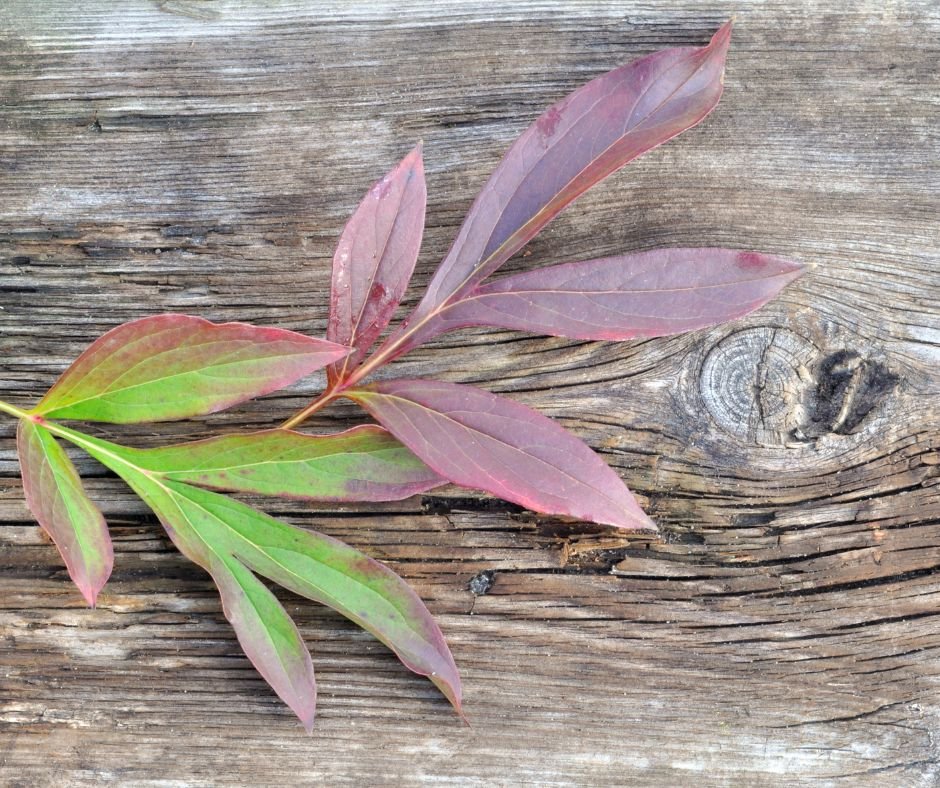
If you grow peonies, now is the time to start thinking about cutting them back for the season. But before you grab your pruners, take a look at the leaves. Your peony will tell you when it is ready!
Let the Leaves Be Your Guide
Peony foliage plays an important role even after the flowers are long gone. As long as the leaves are green and healthy, the plant is still photosynthesizing—using sunlight to produce energy that is stored in the roots.
That energy helps the plant prepare for next year's growth and flowers.
When the foliage begins to yellow, brown, or lose its healthy green color, the plant is telling you that it is winding down for the season. Once the leaves are no longer fully green, it is time to cut them back.
If your peony foliage is still lush and green, there is no need to rush. Let those leaves continue doing their job!
Herbaceous and Itoh Peonies: Cut Them to the Ground
For herbaceous peonies, the traditional garden peonies that die back to the ground each winter, you can cut the stems all the way back to ground level.
Itoh peonies can also be cut back to the ground in the fall. Once the foliage has declined, use clean, sharp pruners to cut the stems down to just above the soil surface.
Removing the foliage helps tidy the garden and eliminates plant material that could harbor disease.
Tree Peonies Are Different!
One important exception: Never cut woody or tree peonies back to the ground.
Tree peonies have woody stems that remain above ground from year to year. These stems are part of the permanent structure of the plant, so they should be left intact.
You can remove dead, damaged, or diseased branches as needed, but don't treat a tree peony like an herbaceous peony.
Don't Put Peony Foliage in the Compost
After cutting back your peonies, don't add the foliage to your compost pile.
Peony foliage can harbor fungal diseases and other pathogens. Compost piles don't always reach temperatures high enough or remain hot long enough to reliably eliminate them.
Instead, dispose of diseased or spent peony foliage in the trash or by burning it where permitted. Removing the foliage from your garden helps reduce the opportunity for diseases to carry over to next year's plants.
What About Southern Climates?
Gardeners in warmer climates have another reason to pay attention to fall cleanup.
In southern climates, particularly USDA Zones 8 and warmer, peonies may not receive the prolonged cold period they need to naturally go dormant. Cutting the foliage back at this time of year can help signal to the plant that the growing season is over and it is time to transition into dormancy.
That transition is important as the plant shifts its energy toward its roots and prepares for the next growing season.
A Simple Fall Peony Checklist
When you're ready to put your peonies to bed for winter:
🌿 Leaves still green and healthy? Leave them alone for now.
✂️ Leaves yellowing, browning, or declining? It's time to cut back.
🌸 Herbaceous peony? Cut stems to the ground.
🌸 Itoh peony? Cut back to the ground once the foliage has declined.
🌳 Tree peony? Don't cut the woody stems back.
🗑️ Peony foliage? Put it in the trash or burn it where permitted—not the compost pile.
Fall cleanup is one of the easiest things you can do to help keep your peonies healthy. So take a walk through the garden, look at those leaves, and let your plants tell you when they're ready. Now is the time to start watching!