
Why Fall Is a Great Time to Plant peonies and Perennials
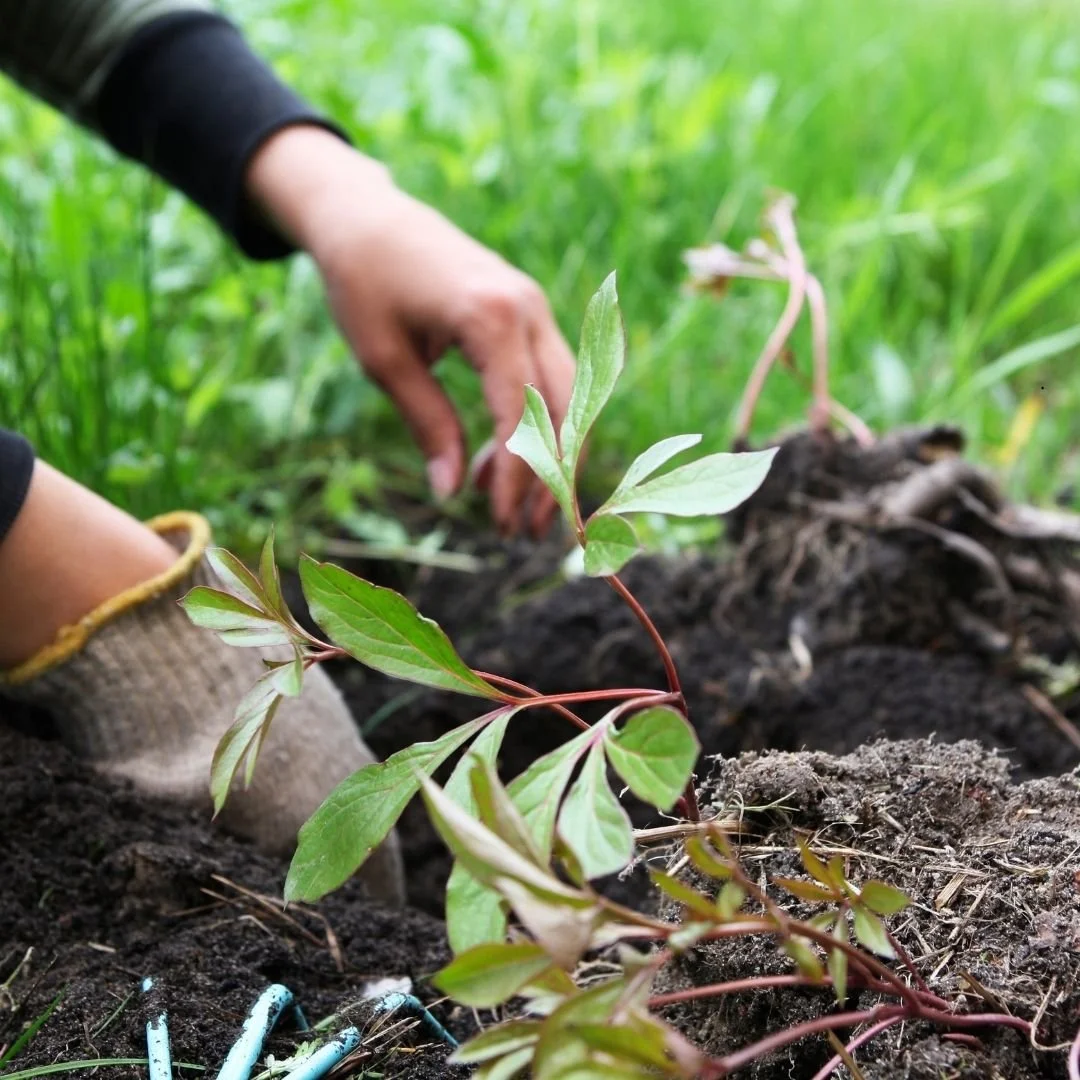
When summer starts to wind down and the garden begins to slow its pace, it’s easy to think that planting season is coming to an end. But for gardeners, fall is actually one of the best times of year to plant!
Cooler temperatures, warm soil and more consistent moisture create ideal conditions for plants to establish their roots before winter. While we especially love fall for planting peonies, it’s also an excellent time to plant many other perennials, trees and shrubs.
Fall Is All About the Roots
One of the biggest advantages of fall planting is that plants can focus their energy on root development instead of top growth.
During the heat of summer, plants are busy producing flowers, leaves and new growth. Once temperatures cool, the demand for above-ground growth decreases. The soil, however, can remain warm for several weeks.
That combination—cool air and warm soil—is perfect for root growth.
A perennial planted in the fall has time to establish a strong root system before the ground freezes. When spring arrives, an established root system gives the plant a head start on the growing season.
Peonies Are Perfect for Fall Planting
If you've ever considered adding peonies to your garden, fall is an excellent time to do it.
Peonies are naturally dormant during the winter, making them particularly well suited to fall planting. Bare-root peonies are harvested and shipped in the fall specifically so they can be planted while the soil is still workable.
When planted correctly, a peony root can begin establishing itself underground before winter arrives. Then, when spring temperatures warm the soil, the plant is ready to get growing.
A few tips for planting peonies in the fall:
Plant at the correct depth. Peony eyes should generally be planted only about 1–2 inches below the soil surface. Planting too deeply is one of the most common reasons peonies fail to bloom.
Choose a sunny location. Peonies perform best with at least 6 hours of sunlight.
Give them room. Allow approximately 3 feet of space between mature plants so there is good air circulation.
Water after planting. Give newly planted roots a thorough watering to settle the soil around the roots.
Don't overdo the fertilizer. The goal in fall is root establishment, not forcing new top growth.
And don't worry if your newly planted peony doesn't look like much the first year. Peonies are long-lived perennials, and patience pays off. A small root planted this fall can become a beautiful, productive plant for decades to come.
Fall Isn't Just for Peonies
Peonies may be our favorite fall planting project, but they're certainly not the only plants that benefit from being planted this time of year.
Many herbaceous perennials can be planted in the fall, including plants such as daylilies, hostas, coneflowers, garden phlox, iris and many native perennials.
Fall is also an excellent time to plant trees and shrubs. Like perennials, woody plants benefit from having time to establish roots before the stress of summer heat arrives.
A tree planted in the fall doesn't have to immediately support a large flush of leaves while also trying to establish its root system. Instead, it can spend the fall putting down roots and preparing for its first full growing season.
Less Stress for Plants—and Gardeners!
Another benefit of fall planting is that you're usually dealing with less heat and less evaporation than in the summer.
Newly planted plants don't dry out as quickly, which means you don't have to water quite as frequently as you might during a hot July afternoon.
And let's be honest—gardening in September is simply more enjoyable than gardening in the heat of summer!
Fall also tends to bring fewer weeds and fewer pest pressures, giving newly planted perennials a chance to settle in without as much competition.
Don't Wait Too Long
While fall is an excellent planting season, you don't want to wait until the ground is frozen.
In Minnesota and other northern climates, aim to get perennial, tree and shrub planting completed several weeks before the ground typically freezes. This gives roots time to establish before winter. Here in Minnesota, the ground doesn’t typically fully freeze until mid to late December, so there’s plenty of time.
Newly planted plants should be watered thoroughly and monitored during dry periods. Even though temperatures are cooler, newly planted roots still need moisture.
A layer of mulch can also help moderate soil temperatures and protect the root zone through winter. Just be careful not to pile mulch directly against the crown or stems of your plants.
Plant Now, Enjoy Later
One of the best things about fall planting is knowing that you're investing in next year's garden.
While your garden may be winding down above ground, there's still plenty happening below the surface. Roots are growing, plants are settling in and your garden is preparing for another season.
So don't put away your shovel just yet!
Fall is planting season—and if you've been dreaming about adding a peony, perennial, tree or shrub to your landscape, this is a great time to get it in the ground.
Plant it this fall, give it a little care and patience, and you'll be rewarded when spring arrives.