
What to Do If Herbicide Gets on Your Peonies
It’s a question many gardeners have asked: What happens if herbicide accidentally gets on your peonies?
A customer recently wrote to me after her husband sprayed grass around her peonies with an herbicide. He carefully placed cardboard around the plants, but she was concerned that some of the spray may have reached the peony foliage.
The good news is that there’s no need to panic or immediately dig up your peonies. What you should do depends largely on how much herbicide reached the plant and what type of herbicide was used.
First, don’t cut everything back immediately
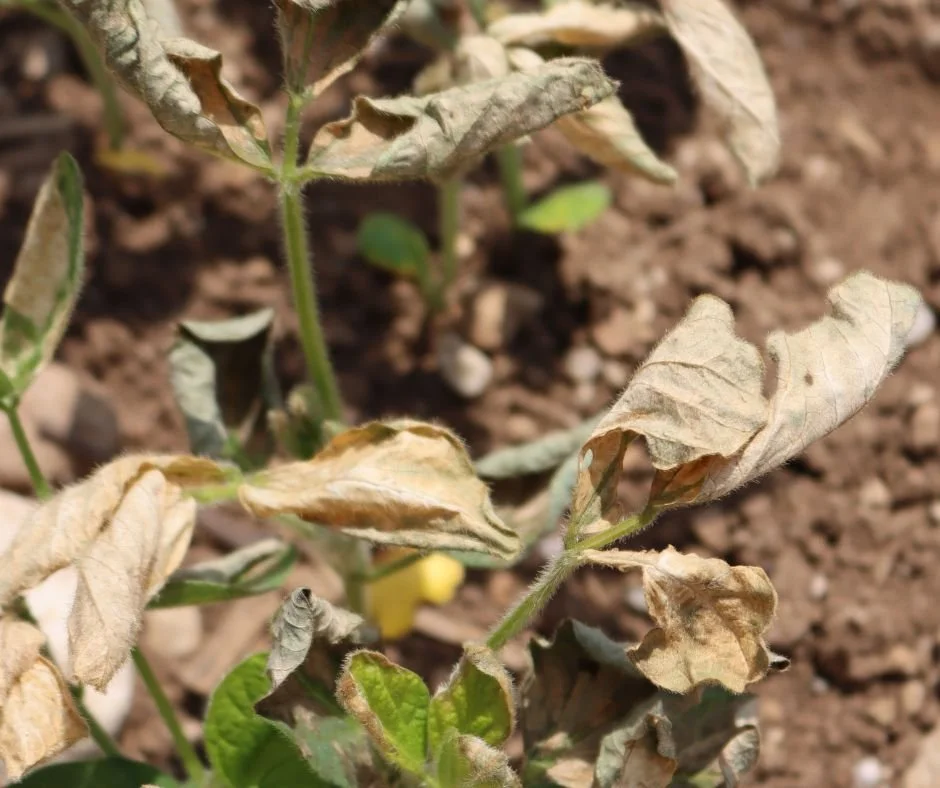
If herbicide gets on the foliage, you may eventually see yellowing, browning, wilting or distorted growth. Symptoms may not appear right away.
If the plants are still green and healthy-looking, I would leave them alone for now and watch them carefully. The foliage is still providing energy to the roots, which is especially important late in the growing season.
If only part of the plant was exposed, you can remove severely damaged foliage once it becomes obvious that it is dying. But I wouldn't cut healthy foliage simply because you suspect that some spray may have reached it.
Give the roots a little extra support
If you believe your peonies have been exposed to herbicide, I recommend giving them some support while they recover.
Apply a light application of an organic, balanced fertilizer around the plant's drip line and water the plants well. Don't put fertilizer directly against the stems or crown of the peony.
The goal isn't to push a lot of new growth late in the season. Rather, you're providing the roots with some additional nutrients as the plant deals with the stress.
Good soil moisture is also important. If conditions are dry, give the plants a thorough watering rather than frequent, shallow watering. Just be careful not to keep the soil excessively wet.
What if the foliage was heavily exposed?
If a significant amount of herbicide was sprayed directly onto the peony, you may see more substantial damage. In that case, removing severely affected foliage can make sense once the damage becomes apparent.
However, don't assume that damaged foliage means the plant is dead. Established peonies have substantial underground roots and can often survive damage to their tops.
The most important thing is to avoid creating additional stress. Keep the plants appropriately watered and allow any healthy foliage to continue working for the plant as long as possible.
What about next spring?
This is where patience is your friend.
If the plants were exposed to herbicide this year, I would wait until spring before deciding whether they survived. Don't dig up the roots simply because the foliage was damaged.
Peonies are remarkably tough plants. Even if the foliage is badly affected, the roots may still be capable of producing new shoots the following spring.
When spring arrives, watch for new growth. If the roots survived the herbicide exposure, you may see normal shoots emerging.
One important reminder about fall peony care
Normally, peony foliage should be allowed to remain green until it naturally dies back in the fall. The leaves are producing and storing energy in the roots that will help support next year's growth.
If herbicide damage causes the foliage to die prematurely, the plant may have less energy going into winter. But that doesn't necessarily mean you've lost the plant.
For healthy peonies, wait until the foliage has naturally died back before cutting the plants to the ground. Remove the foliage and dispose of it rather than putting diseased or damaged leaves into the compost pile.
Preventing herbicide damage in the future
The best solution is prevention.
When spraying grass or weeds near peonies, don't rely solely on cardboard or other barriers. Herbicide spray can drift, bounce off surfaces or reach foliage through small openings.
Instead:
Spray on a calm day with little or no wind.
Keep the spray nozzle pointed away from the peonies.
Use a shield specifically designed to reduce spray drift.
Avoid spraying when the peony foliage is wet.
Consider hand-weeding or carefully mulching areas immediately adjacent to your peonies.
Keep herbicides away from peony foliage whenever possible.
And remember that different herbicides affect plants differently. Always identify the product that was used and follow its label directions.
My advice if this happens to your peonies
If you've accidentally gotten some herbicide on your peonies, don't immediately give up on them. Give the plants a little extra attention, provide a light application of organic fertilizer, water them well, and watch for signs of damage.
Remove only foliage that is clearly dying when appropriate, and wait until spring before deciding whether the plant survived.
Peonies are much tougher than they sometimes look. A damaged top does not automatically mean a dead root.
And next year, you may be pleasantly surprised to see those little red peony shoots pushing their way out of the ground again!